
Basement insulation in Big Spring TX - a warmer basement on a dry, sound wall
Cold floors downstairs, a damp smell or a high power bill? We fix the water first, then insulate the walls so the room stays comfortable.
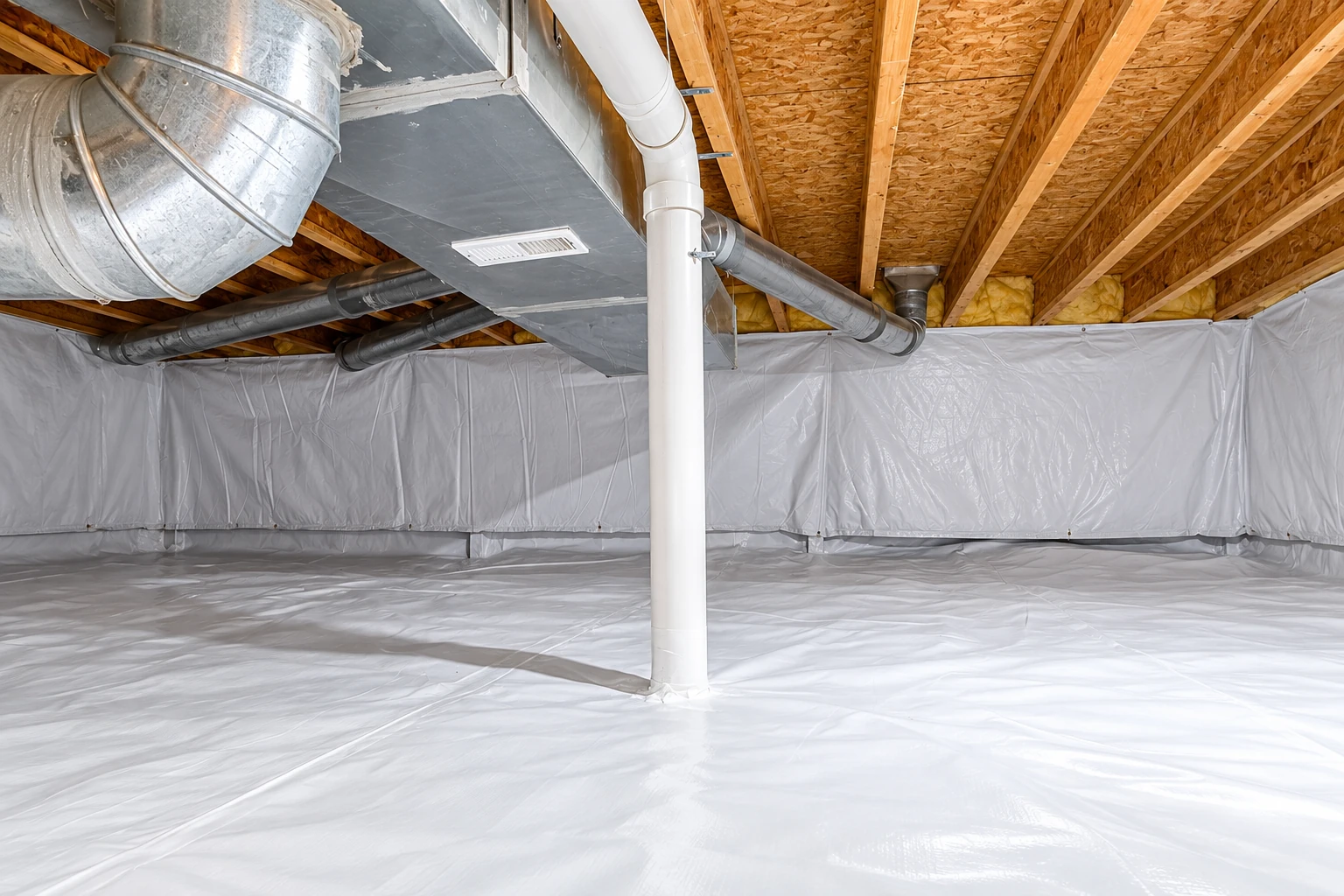
How do you insulate a basement in Big Spring without trapping moisture?
Basement insulation in Big Spring is a layer of insulation added to your foundation walls, and at B&S Big Spring Spray Foam Insulation we put it on only after the wall is dry and the foundation has been looked over, so the room downstairs holds its temperature without a leak or a crack hidden behind it.
Most people call us because the floor downstairs stays cold, the basement smells damp or the power bill climbs every summer and winter. The price mostly comes down to how many square feet of wall you have, which foam goes on it, whether that foam needs a cover and whether anything has to be repaired first. The schedule turns on that repair too, since the insulation waits until the wall is dry and sound, so the estimate I write after looking at your basement gives you your own number and the order things happen in.
- Licensed and fully insured.
- Free estimates at your property.
- Expect a reply within 1 business day.
Foam insulation on basement and foundation walls
What our basement insulation work involves
On a basement job, I start by looking for water, because water gets fixed before insulation goes on a basement wall. I check for damp spots, stains and the white crust water leaves on concrete, and I look the foundation over for cracks, since covering a crack only hides it. If either one needs work, I'll tell you the insulation has to wait. Once the wall is dry and sound, our crew seals the gaps around pipes, wires and the rim joist, the wood band sitting on top of the foundation, because insulation can't do its job with air leaking past it. Then we put the foam on, keep everything clear of the air a gas furnace or water heater needs to run safely, and clean up before we leave.
Which foam goes on the wall is the main choice you'll make. On concrete below ground I lean toward closed-cell foam insulation, a dense foam that holds back moisture while it insulates, even though it costs more. Open-cell foam insulation is softer and lighter, and it makes more sense on framed walls or in the ceiling between the basement and the room above, where it quiets noise and ground moisture isn't the worry.
Why people in Big Spring call us about basement walls
I come out and look myself
I'm usually the one who comes out to look at your basement and write the estimate, and a lead installer runs the crew on the work itself. That means the person who saw your walls and answered your questions is the one who planned the job.
In business since 2013
I started as a helper on an insulation crew, hauling bags and running hose in hot attics, and opened this business in 2013. Learning the trade from the bottom up is why I'd rather tell you a job needs to wait than cover up a problem.
Permits checked with Big Spring
Before we start, we check with the city's Building Permits and Inspections Department, which enforces the city's building codes and asks people to check with its staff before home improvement work, and we take care of any permit the job calls for. The city also requires contractors to be registered with it, so that's worth asking any crew you're considering.
Licensed, insured and guaranteed
We're licensed and fully insured, which is the first thing to ask about before any crew works in your house. Satisfaction guaranteed on every job, and if you have a question about what we did, ask me, even twice.
On a basement wall, what matters most is that it's dry and sound before anything covers it. Send us a few details about your basement or call (432) 263-5187, and I'll come take a look.
Get a free estimate for your basement walls
Send the form with your rough wall area in square feet and any signs of water, and we'll get back to you within one business day to set up a free estimate at your house, with no obligation.
- Licensed and fully insured.
- Free estimates at your property.
- Expect a reply within 1 business day.
What happens after you call us about your basement?
Call or send the form
Call (432) 263-5187 or use the form, and we'll set up a time for me to come look at your basement and answer whatever you want to ask. We're open 6 AM to 10 PM on weekdays and 7 AM to 11 PM on weekends, so you can reach us after work.
Look at walls and foundation
I check the walls for water coming in and the foundation for cracks or anything else that has to be fixed first, then walk you through your options. You get a written estimate that shows which foam, how much wall and what has to happen before we start, so you know what you're paying for before you decide.
Line up the work in order
Once you say go, we handle the city side and schedule the job so any water or foundation repair is done before insulation goes up. If that repair isn't finished, I'd rather move the date than cover the wall too soon.
Crew installs and cleans up
Our lead installer runs the crew, seals the gaps, puts the foam on and cleans up after. Fresh spray foam needs time to air out, so before we start the crew tells you the re-entry time, when you, the kids and the pets can be back downstairs.
Basement insulation questions
Where does insulation go on a basement wall, inside or outside?
Insulation can go on the inside of a basement wall, on the outside or in the middle of it, and the inside is the most common spot. One building science report found the reason has been almost strictly cost, since working inside means no digging around the foundation. Inside is where we usually start, and I'll tell you on site if your house points another way.
What is the best insulation for basement walls that stay damp?
Foam is usually the better choice, and one building science firm recommends foam put in so the foundation wall can still dry toward the inside of the basement. The same firm's report found that fiberglass batts in stud walls and blanket insulation let moisture collect and lead to mold, rot and musty smells.
Can I use fiberglass batts on my basement walls?
You can, but the guidance says fiber insulation in a basement wall should have Kraft paper facing or latex paint on the drywall, not plastic sheeting or foil facing on the room side. Plastic or foil there can trap moisture inside the wall, which is the last place you want it. If you already have batts behind plastic, that's worth a look before anything new goes in.
How do I get my basement ready before insulating the walls?
Start with water, because guidance on basement walls says to check for water coming in and fix it before insulating, so that repair goes at the front of your plan and your budget. The same guidance says bulk water like roof runoff should be sent away from the foundation, which usually means looking at gutters and downspouts. Have the foundation checked too, since insulation over a foundation with structural problems can hide them and sometimes make them worse.
How much does basement insulation cost per square foot in Big Spring, TX?
Insulating basement walls usually costs about $4.40 to $6.40 per square foot across the US, and that's a national average, not a Big Spring quote. It's figured on the square feet of wall, not floor, and any water or foundation repair is a separate cost that comes first. The estimate I write after seeing your basement gives you your own number.
Does spray foam on basement walls need to be covered?
In most basement walls it does, because the same building science firm notes foam usually needs a fire or ignition barrier over it, such as drywall. Ask whether an estimate includes that cover, since a low price that leaves it out isn't the whole price. I spell out on mine whether it's included.
Insulation work in other cities we serve
Foam options that go with basement insulation
Closed-cell foam insulation
Worth a look when your basement wall sits against damp ground, since this dense foam keeps ground moisture out of the wall while it insulates.
Open-cell foam insulation
A lighter, lower-cost foam for framed walls and the ceiling over the basement, where you want a quieter room more than a barrier against ground moisture.